Why do we need to measure nature?
Why do we need to measure nature to value it? Why can’t we just leave it alone?
I’ve been thinking about this for a bit. I think there’s something kind of weird about having the need to measure nature in order to value it. Of course nature is valuable. It provides us with food, clean water, clean air, shelter, resources to build, medicine to heal… the list goes on. So why can’t we just sequester some areas for preservation and leave it at that?
I think in a perfect world, unfettered by human influence and the huge momentum that capitalism has on us, this would be great. Unfortunately, we don’t live in that world — and don’t get me wrong, I don’t think capitalism is inherently bad; but I do think how we’ve been using it as a tool is inherently unsustainable in so many ways.
So, I think it’s actually crucial to measure nature. Humans “rule” the world (or at least we think we do), and there’s something very human in needing to measure something to understand why it’s important, at least in the context of the societies that you and I are likely both living in.
We are obsessed with data, metrics, KPIs, and whatever else; and that’s not going away. My thought on this is that the obsession is rooted in understanding, and with understanding comes confidence.
When we make an investment, we want to understand the performance of that investment. Even when the “investment” is philanthropic, we want to make sure the organization we give our resources to — whether it be time, money, goods, or what have you — will use it properly. There needs to be accountability. Imperfection exists in the world, and so do imperfect people who would otherwise take advantage of imperfect systems.
We want to know whatever we invest in does well so we can encourage it to continue to perform well, and when it does poorly — correct what’s going wrong. Data that backs these signals is crucial so we can take action accordingly.
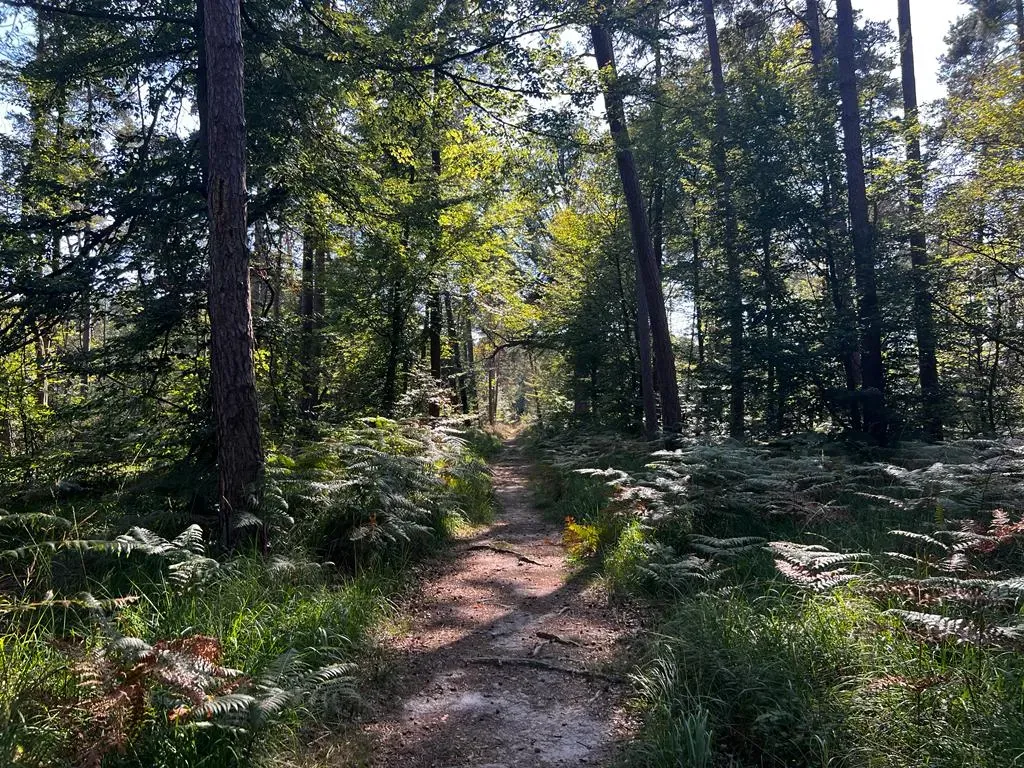
And with nature, it’s equally important; especially when trying to leverage the big flywheel of capitalism, corporations, and corporate investments. If companies are going to be making investments into nature, they need to know where their money is going and how it’s being put to work. They need to know if the restoration and regeneration projects they support are indeed achieving their goals, increasing biodiversity of all forms, regenerating the soil and providing habitats for all kinds of creatures.
They also need to know if illegal logging takes place, or if a forest fire wipes out their land. Permanence needs to be considered.
Even outside the corporate context, I think understanding the natural world through data is crucial for us to continue to value it. For conservation work to track its progress, for governments to understand the potential impact of grants, and for individuals to understand the impact that natural areas around them have, good data is needed.
Sure, I’m biased — I’ve co-founded a startup to measure and report on biodiversity. This is kind of the opinion I’m supposed to have, right? But trying to remove myself from that, I still do think the human phenomena of not fully valuing what we do not totally understand is something to be observed and reflected on. Whatever we do, we must find ways to enable the shift to a more sustainable world, and I hope this is part of it.